Curriculum Leadership
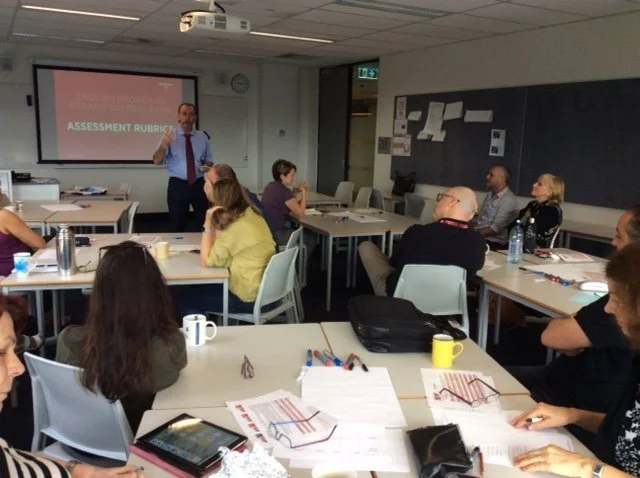
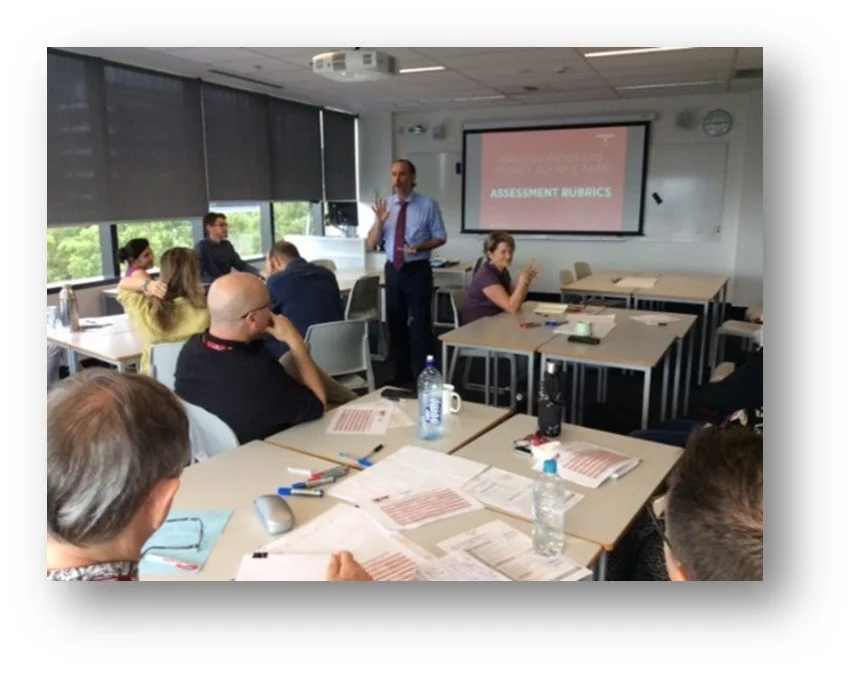
I provide curriculum leadership through the design, redevelopment, and governance of coherent, sustainable undergraduate and postgraduate course and subject structures that align learning outcomes, assessment, teaching activities, and quality standards across programs. My work is grounded in constructive alignment and informed by the Australian Qualifications Framework (AQF), ensuring that curriculum design decisions are academically rigorous, defensible, and fit for scale.
I have over 10 years experience in curriculum design and redevelopment initiatives that bring together learning outcomes, assessment tasks, marking rubrics, and teaching activities into integrated subject and course architectures. Working in partnership with academic leaders and teaching teams, I guide the rewriting and standardisation of learning outcomes at subject and program level to ensure clarity, consistency, and AQF‑appropriate expectations. This work establishes a shared language for curriculum design and provides a stable foundation for assessment and teaching practice.
A central focus of my expertise is assessment reform. I support the redesign of assessment tasks to ensure they are authentic, discipline‑relevant, and explicitly aligned to learning outcomes, and I lead the development and moderation of marking rubrics that support consistent interpretation and application across teaching teams, campuses, and delivery contexts. By strengthening the alignment between outcomes, assessment, and rubrics, I help reduce variation in marking, improve feedback quality, and enhance confidence in assessment decisions.
I also provide strategic oversight of curriculum delivery across face‑to‑face, blended, and fully online modes, with a focus on equivalence rather than duplication. I lead approaches that ensure students have equitable opportunities to achieve learning outcomes regardless of mode, while preserving academic integrity and coherence. This includes mapping learning outcomes and assessment requirements across delivery formats and guiding teams in adapting learning activities to suit different contexts without compromising standards.
My curriculum leadership extends to the coordination of modular course designs that support flexible delivery, progression, and reuse across programs. By establishing modular structures, I enable subjects and learning units to be adapted and combined in different configurations while maintaining alignment, coherence, and AQF compliance. This approach supports scalability, reduces duplication of effort, and improves the sustainability of program delivery.
To embed quality and consistency at scale, I have led the development of subject and lesson design templates informed by structured learning models, including adult learning principles, for example, Gagné’s events of instruction. These WCAG compliant templates guide academics in planning learning sequences, activities, feedback, and assessment, and have been embedded into LMS build processes and course approval workflows. This has supported more consistent implementation of curriculum intent and strengthened quality assurance processes.
I work collaboratively across academic and professional domains, partnering with course coordinators, discipline leads, learning technologists, professional staff, and quality assurance teams to manage curriculum change, resolve misalignment, and meet accreditation and regulatory requirements. I draw on the Quality Matters framework as a shared reference point for course design quality, enabling evidence‑based review, continuous improvement, and constructive dialogue about curriculum standards.
Through this leadership, I establish consistent, scalable approaches to curriculum design that improve clarity for students, reduce unnecessary variation between subjects, and support sustainable, high‑quality program delivery. My contribution lies in creating the structures, frameworks, and shared practices that enable academics to teach effectively, institutions to meet regulatory expectations, and students to experience coherent, purposeful learning pathways.
Building Capability
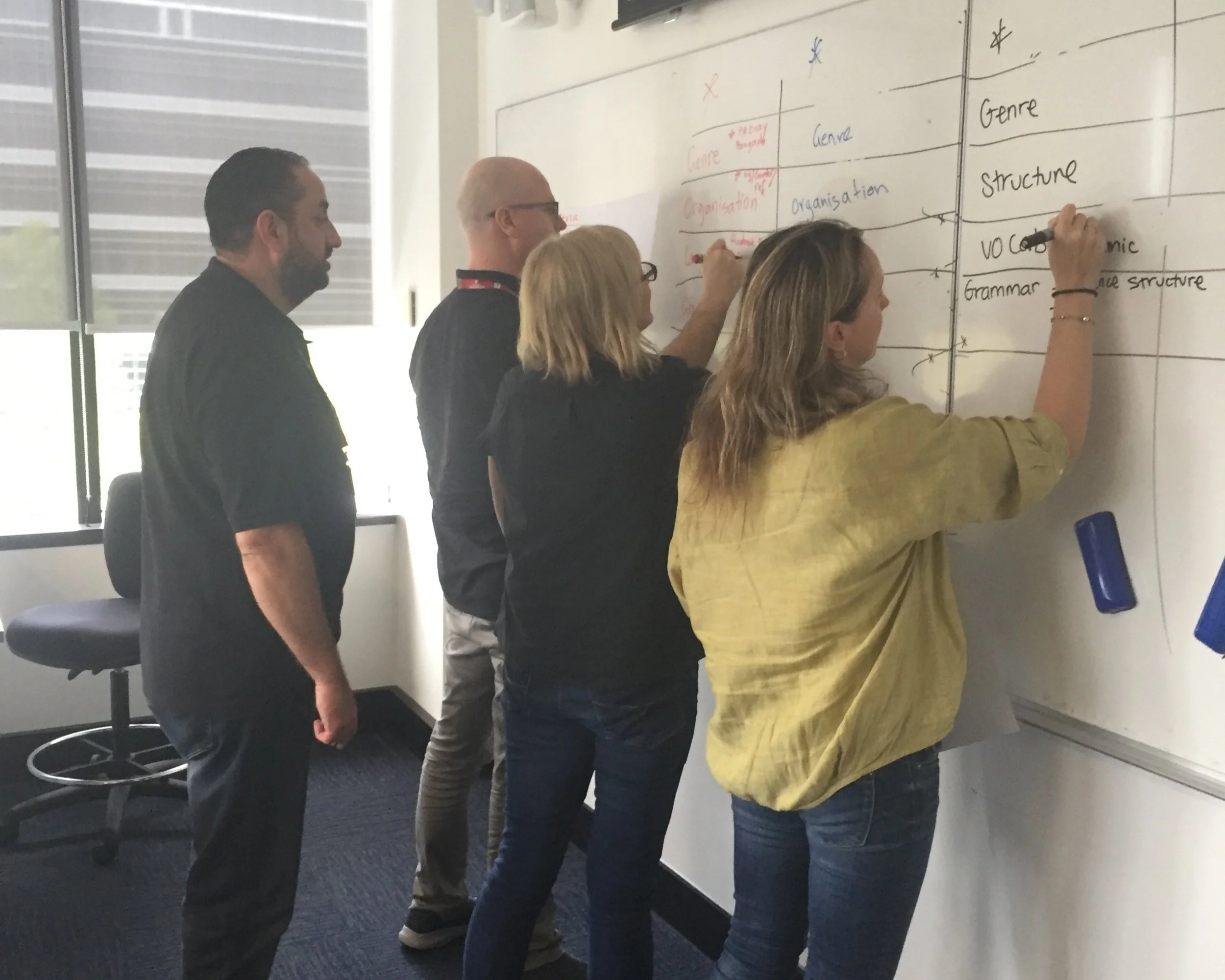
I build academic capability by designing and delivering practice‑based support focused on how academics engage students in both face‑to‑face and online learning environments. My work is grounded in classroom practice and centres on the purposeful use of engagement tools and the LMS to support active learning, participation, and feedback.
I have experience training and supporting academics in the use of a wide range of in‑class and online student engagement tools, from classroom response systems and collaborative activities through to structured use of the LMS to guide student learning. This support is embedded in real subjects and teaching contexts, enabling academics to apply new approaches directly with their students.
A key contribution has been the development of Facilitating Online Learning, an internal course designed for academics teaching online. The course focused on effective online teaching practice rather than systems training, addressing facilitation strategies, student presence, interaction, and engagement within virtual classrooms and LMS environments. It modelled good online pedagogy and supported academics to build confidence and consistency in online teaching.
I design and deliver hands‑on workshops, clinics, and one‑to‑one support that help academics plan and implement engaging learning activities. This includes supporting staff to design interactive activities using quizzes, polls, discussion forums, collaborative documents, and classroom response tools; structure LMS sites into clear modules and weekly learning pathways; and facilitate online discussions and manage virtual classes in ways that encourage participation and meaningful interaction.
I also support academics in the pedagogical use of digital media for teaching, including planning and scripting short instructional and assessment‑support videos, presenting clearly for recorded and live teaching, and integrating media effectively within LMS sites to support learning and assessment preparation.
During subject and course development projects, I work alongside academics to redesign learning activities and assessments for blended and online delivery. This includes modelling effective facilitation practices, co‑teaching in online environments, and supporting staff in managing student participation and feedback.
To support sustainable practice, I have developed practical templates, guides, and exemplars for online lesson design, LMS site structure, discussion board use, and media integration. These resources enable academics to independently plan, build, and maintain engaging learning environments while maintaining consistency and quality.
Click here for a slide deck I used for an introduction to Discussion Boards training on Zoom.
Educational Media Leadership and Digital Learning Design
My experience with learning media extends beyond video production to the purposeful use of a broad range of educational technologies that support student engagement and effective teaching practice. I have worked extensively with tools and platforms including Adobe Creative Suite, Articulate Rise, Zoom, Microsoft Teams, and Blackboard/Canvas LMS‑integrated engagement tools, supporting academics to use these technologies confidently and pedagogically in both face‑to‑face and online teaching contexts.
In a previous role, I led high‑volume educational video production across curriculum and communication projects, overseeing the creation of more than 800 instructional and promotional videos. To support this work, I developed standardised production templates and workflows that ensured consistent quality, branding, and efficient turnaround, while keeping media design aligned with learning outcomes and teaching intent.
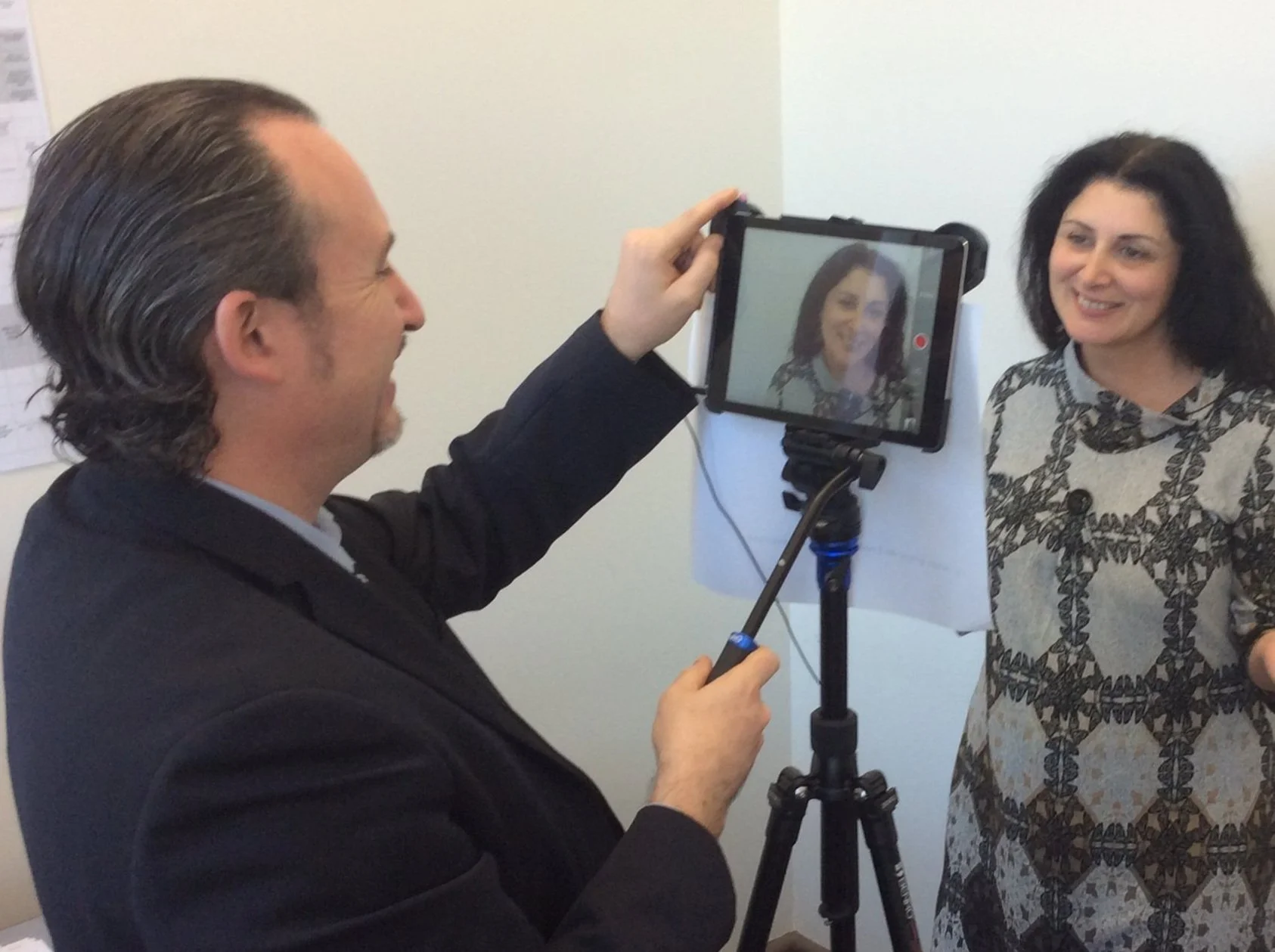
As part of this work, I planned and delivered practical, teaching‑focused training for academics in scripting, on‑camera delivery, and learning‑centred media design. I provided hands‑on support throughout the full production cycle, including planning, recording, editing, and publication, and supported academics to use platforms such as Zoom and Microsoft Teams to produce high‑quality live and recorded teaching content that translated effectively into online and blended learning environments.
With the growth of learning media assets, I established and managed YouTube and Panopto channels, overseeing content organisation, accessibility compliance, captioning workflows, and the use of analytics to inform ongoing improvement. This ensured that learning media was discoverable, compliant, and clearly aligned with course structures and student learning pathways.
I also helped establish and manage the Western Sydney One Stop Shop Video Facility (WOSStudio) at the Nirimba campus - a purpose‑built, self‑service studio that enabled academic staff to independently create professional‑quality teaching resources. This facility supported a shift toward more sustainable, distributed media production practices embedded within everyday teaching.
The outcomes of this work included improved academic confidence with educational technologies, reduced reliance on central production teams, and stronger, more consistent digital learning environments across faculties. These practices supported academics to integrate media and educational technologies into their teaching in ways that were scalable, sustainable, and focused on enhancing student engagement and learning.
Click here for an example of a video scripting template
Project Coordination and Curriculum Delivery Management
I have extensive experience contributing to and managing curriculum and digital learning projects across all stages of development, from early analysis and design through development, implementation, and review. My project experience is grounded in sustained organisational change, particularly initiatives focused on moving curriculum into more modular, transparent, and reusable structures that support multiple delivery modes.
My approach aligns closely with the ADDIE model (Analysis, Design, Development, Implementation, Evaluation) as it applies to curriculum development in practice. I have been involved in analysing curriculum requirements and constraints; designing aligned course and subject structures; supporting development and build processes; coordinating implementation into delivery environments; and contributing to evaluation and iterative improvement once subjects are live.
At the commencement of major curriculum and course development projects, I organise and facilitate structured project kick‑off meetings to confirm scope, roles and responsibilities, milestones, dependencies, risks, and approval pathways. Establishing shared understanding at this stage is critical to managing complex curriculum work involving academic, professional, and technical contributors. I also establish regular progress and touchpoint meetings to monitor development, resolve emerging issues, and maintain momentum across multi‑stage projects.
I understand the importance of robust project documentation in curriculum development. I have developed and maintained detailed project records, including schedules, task allocations, version control, approval documentation, and compliance evidence. These artefacts support transparency, auditability, and continuity, particularly in projects that extend across multiple semesters or academic years and involve staff changes.
Risk management is an ongoing feature of curriculum projects. I have experience identifying and documenting risks such as staff workload pressures, misalignment between subjects, delayed approvals, platform limitations, and resourcing gaps. I work with stakeholders to escalate issues where required and to implement practical mitigation strategies that protect curriculum quality while supporting timely delivery.
Clear and consistent communication is central to effective project delivery. I work closely with course coordinators, academic discipline leaders, learning technologists, in‑house editing and production teams, compliance teams, and senior managers, providing structured updates on progress, risks, dependencies, and decision points. This approach reduces duplication of effort, avoids late‑stage redesign, and supports informed decision‑making throughout the project lifecycle.
I also have extensive experience developing course prototypes and templates, particularly using Articulate Rise, as part of curriculum redevelopment and modularisation initiatives. I understand the importance of close collaboration with product owners, learning technologists, and editing teams responsible for building the final learning materials. Clear handover processes, shared quality standards, and early collaboration are essential to achieving a high‑quality, consistent final product.
Through this work, I contribute to curriculum projects that are well‑structured, transparent, and sustainable, supporting institutional strategy while delivering coherent, high‑quality learning experiences for students.
Discussion Boards presentation being reimagined as a Rise format.
If, for some reason, it doesn’t work..
If you are reviewing this page as part of a recruitment or selection process, I welcome the opportunity to discuss my experience further.